Exploring Sustainable Bedding Materials: A Practical Guide for Rural-Inspired Sleep Spaces
A practical overview of sustainable bedding materials, their benefits, and how to choose fabrics that align with a rural-inspired home. Learn how fibers, certifications, and care impact comfort, health, and the environment.
In the countryside, every thread of bedding carries a story—from the fields where cotton is grown to the loom where it becomes cloth. Sustainable bedding is not merely a product choice; it is a philosophy of stewardship. This article journeys through common fibers—organic cotton, linen, wool, and bamboo—unpacking how they are sourced, what makes them eco-friendly, and how each fiber contributes to a healthier, more comfortable sleep space rooted in rural sensibilities.
Certifications such as GOTS (Global Organic Textile Standard), OEKO-TEX, and GRS (Global Recycled Standard) serve as navigational beacons in a crowded market. They help readers distinguish genuine eco-credentials from vague claims. This section unpacks what each certification covers, how it is verified, and why it matters to both personal health and the environment.
Even the most responsible fiber choices require mindful care. We’ll explore washing temperatures, detergents, drying practices, and storage that preserve softness, prevent pilling, and maintain safety for sensitive skin—especially in rural-inspired sleep environments that favor natural materials.
Fiber Spotlight: Organic Cotton
Organic cotton is cultivated without synthetic pesticides or GMOs, reducing chemical exposure and supporting soil health. In bedding, it typically delivers a soft, breathable hand with a gentle drape that suits a rural aesthetic.
- Pros: Breathability, softness, lower chemical load
- Considerations: Pesticide-free farming, certification needs
- Care: Gentle wash, avoid high heat to preserve fiber integrity
Fiber Spotlight: Linen
Linen, made from flax fibers, excels at moisture wicking and temperature regulation. Its earthy texture and natural luster align with a rural interior palette, bringing a crisp, breathable feel to summer nights and a cozy, breathable layer in winter.
- Pros: Temperature regulation, durability, natural fiber
- Considerations: Slightly more wrinkled texture; blends can mitigate
- Care: Gentle cycle, low heat, air drying or tumble on low
Fiber Spotlight: Wool
Wool brings natural temperature regulation and moisture management. Ethical wool farming supports animal welfare and can offer excellent warmth without overheating, a quality valued in cooler rural nights.
- Pros: Temperature balance, moisture management, durability
- Considerations: Affects allergy sensitivity for some readers
- Care: Often low-heat or steam-cleaning alternatives; follow product guidelines
Fiber Spotlight: Bamboo
Bamboo blends offer silk-like softness with added breathability. When sourced responsibly, bamboo can be a sustainable option due to rapid renewability, though processing can vary by producer.
- Pros: Soft hand, good moisture management
- Considerations: Certification and processing transparency
- Care: Follow specific fabric instructions; avoid high heat
Why Sustainability Matters in Rural-Inspired Sleep Spaces
A rural-inspired home translates values of stewardship, resilience, and a close-to-nature lifestyle into daily comfort. Bedding materials that honor sustainable farming practices reduce environmental footprints, support healthier indoor environments, and align with the overall aesthetic of a home that honors field, meadow, and forest alongside a warm, inviting bedroom.
Sustainability is not a singular choice but a system: fiber origin, processing, certifications, and end-of-life considerations all contribute to a product’s true environmental impact. In many rural contexts, small-scale mills, cooperative farming, and transparent supply chains echo the community-centric, education-forward voice of farmtobeds.com.
Pillar Topics and Practical Guides
To support Direction A — Rural Living and Home Comfort Education — this article links to a set of in-depth, evergreen guides that readers can reference as they build a sleep space that marries farmhouse charm with modern wellness science.
- How to Evaluate “Organic” and “Sustainable” Claims: A consumer’s checklist
- Seasonal Bedding Guides: Keeping comfort steady through shifting rural climates
- Material Care 101: Extending the life of natural fibers with simple routines
- Sleep Science Essentials: What matters in a healthy sleep environment
Three Key Figures Shaping the Conversation (Across Time)
From field to fabric, the idea of sustainable living has been influenced by voices across centuries. Here are three individuals who illuminate the continuum of care for people and places—each offering a lens on how materials, health, and home intersect.
Thomas Jefferson (1743–1826)
A polymath who explored agrarian systems and domestic comfort, Jefferson’s writings on agronomy, rural improvements, and self-sufficiency in the early United States reflect a mindset that values robust soil, diverse crops, and the welfare of households as central to national life. His principles of efficiency and design find a resonance in the modern idea of a sleep space that is both functional and restorative.
Impact: Early impulses toward integrated rural life, with a quiet tradition of practical innovation that informs today’s sustainable home thinking.
Mary Richmond (1902–1962)
A household science pioneer who emphasized the science of daily life, from textiles to nutrition, Richmond’s era underscored the importance of quality materials in the home and the education of families to make informed choices. Her work embodies the education-first spirit that underpins Direction A’s non-commercial, informative approach to bedding.
Impact: The lasting belief that households benefit from credible information about materials and care practices.
Dr. Sara Lewis (1960s–present)
A contemporary sleep scientist who connects sleep quality to environmental factors and material science. Lewis’s research champions evidence-based guidelines for sleep wellness and sustainability, aligning with the educational, science-forward voice of the site.
Impact: A bridge between fiber properties, consumer education, and practical home comfort that informs readers’ bedding choices.
Selected Sustainable Bedding and Sleep Support Products
The Clean Bedroom (Level 4) Adjustable Bed Base
A complete sleep system that adapts to body and lifestyle with motorized lumbar support, head tilt, and adjustable legs. Built-in VibraSense massage and Zen Mode create a calming bedtime ritual, while a robust lift capacity supports diverse mattress setups.
Key feature: SnoreSense compatibility and customizable presets for personalized comfort.
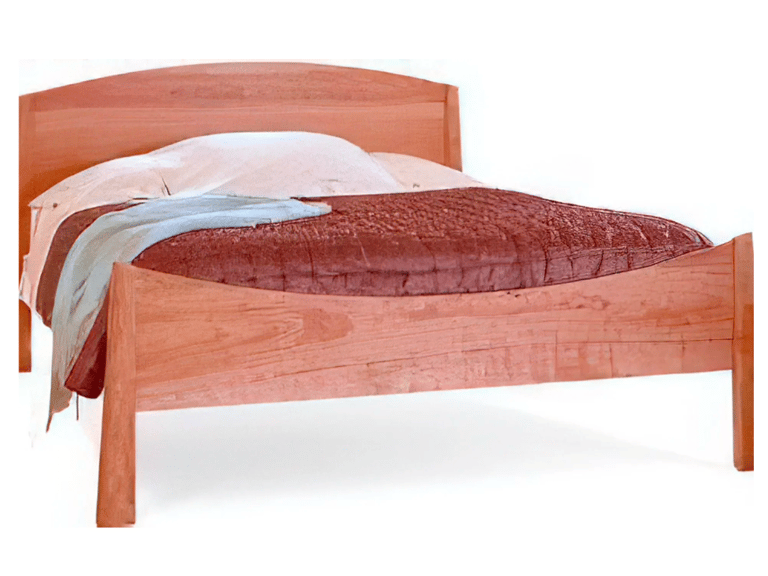
Maple Corner Woodworks Harvestmoon Bed
Handcrafted in Vermont from natural hardwoods (cherry, maple, or walnut) with a durable platform design. The bed emphasizes natural finishes and long-lasting construction, aligning with a rustic, durable aesthetic and a toxin-free sleep environment.
Note: Choose hardwood and finish with no VOCs for a genuinely rural-inspired look.
Closing Thoughts: Crafting a Sleep Space that Honors Field and Firelight
In the spirit of farm-to-bed narratives, sustainable bedding weaves together agricultural heritage and domestic comfort. The right fiber, properly certified, becomes more than fabric; it becomes a living memory of soil, rain, and harvest—now resting at the center of your home. As Rural Living and Home Comfort Education advocates, readers can experiment with materials, care rituals, and seasonal adjustments to create sleep environments that feel timeless and true to place.
By approaching bedding as a system—fiber choice, certification, care, and the story behind each thread—you cultivate a bedroom that is both grounded in rural values and responsive to modern wellness science. The journey from field to bed is not a single destination but a continuous practice of mindful living that honors health, environment, and everyday comfort.
What’s Next for Direction A?
If you’d like, we can draft a site map outlining pages and sections, a three-month content calendar, and 5–8 pillar article ideas tailored to Rural Living and Home Comfort Education. We can also curate additional resources, checklists, PDFs, and infographics to support readers in evaluating sustainable bedding claims and planning seasonal bedroom updates.
Selected References and Further Reading
Certifications and standards:
- GOTS (Global Organic Textile Standard): organic fiber processing and social criteria
- OEKO-TEX Standard 100: consumer safety and toxin testing
- GRS (Global Recycled Standard): recycled material verification
Note: Product details and availability are subject to change. Images displayed for chosen products are included with this article to illustrate the described items.
Selected product image:
The Clean Bedroom Level 4 Adjustable Bed Base